



The animal kingdom is full of fascinating superpowers; one of the most interesting is kleptotoxicity. This incredible and rare superpower allows certain animals to steal the toxins of other organisms, including those they prey upon, as well as from their environment, and use them for self-defense. This extraordinary phenomenon illustrates the depth of the evolutionary process and how organisms adapt to their environment to survive. This blog focuses on defining kleptotoxicity, how it functions, real-world instances, and the overall importance of kleptotoxicity in the animal kingdom.
Defining Kleptotoxicity
Kleptotoxicity can be defined as stealing the poisons or the toxic chemicals of other organisms to use them for one’s own protection. The process is fascinating because rather than producing toxins or poisons, organisms that use this strategy borrow the chemical defenses of other organisms, and in this case, predators are discouraged from attacking.
The term is defined as follows:
Klepto, which is Greek for theft.
Toxicos, which is Greek for the poisonous or toxic chemicals.
The term kleptotoxicity literally means the stealing of toxicity.
The Process of Kleptotoxicity
Kleptotropic animals eat other animals that contain toxins or come in contact with poisonous organisms. The toxins that are acquired are stored in their skin, tissues, or even in special glands. The toxins are used in self-defense and can even be used to ward off predators.
Key Steps in Kleptotoxicity:
- Toxins are ingested or absorbed
- Toxins are stored in a manner that poses no risk to the host
- Toxins are used defensively through skin secretions, spines, or chemical discharge
These processes require unique shifts in animal physiology, indicating that kleptotoxicity is an advanced and complex mechanism of survival.
Examples of Kleptotoxicity in Nature
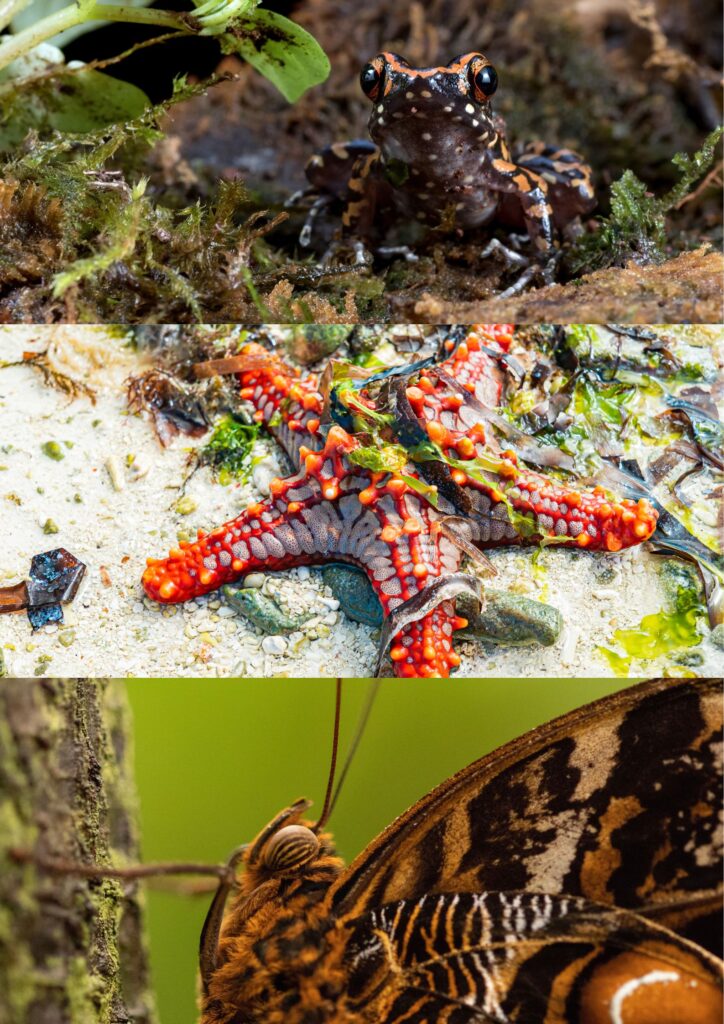
Poison Dart Frogs
One of the most famous examples of kleptotoxicity is the poison dart frog, which acquires its toxins through the consumption of ants, mites, and other small, toxic insects. Frogsthath are bred in captivity, and which are not given toxic prey, lose their poison, demonstrating the significance of kleptotoxicity.
Sea Slugs (Nudibranchs)
Certain types of sea slugs feed on toxic species of jellyfish or anemones and integrate their stinging cells. This acquisition of stinging cells provides an added layer of defense against predatory threats.
Monarch Butterflies
Monarch caterpillars feed on toxic species of plants known as milkweed, which contain a noxious chemical called cardenolides. This toxin is bioaccumulated and retained through metamorphosis, poisoning the adult monarch and serving as a defense against potential predatory threats.
Why Kleptotoxicity Is a Powerful Survival Tool
Kleptotoxicity has important evolutionary benefits, including:
Energy conservation: No need to produce toxins
Direct protection: Defense is received immediately from the diet
Predatory threat: Vivid coloration often seen in biota signifies potential toxicity
Tactical advantage: Optimization of survival in various ecological niches
The outsourcing of toxin production allows animals to utilize their energy for growth, reproduction, and movement.
Kleptotoxicity versus Other Defense Mechanisms
In addition to the production of venom or the use of physical defenses such as claws or shells, kleptotoxicity relies on the use of external chemical sources, which distinguishes it from:
-Venomous animals (internally generated toxins)
-Poisonous animals (self-produced toxins)
-Camouflage or mimicry
Kleptotoxic species utilize chemical theft and warning coloration, resulting in a visually pleasing and effective defense.
Kleptotoxicity and Evolution
Securing a niche in predator-prey relationships is important for ecosystem balance. If a predator eats a toxic individual, it will avoid others that look similar, which drives adaptive evolution.
Kleptotoxicity inspires chemical ecology, evolutionary adaptive studies, and entwined medicine/biotechnology fields.
Kleptotoxicity and Modern-Day Applications
The most important aspect of kleptotoxicity is that it enhances understanding of adaptation in organisms, without the need to develop entirely new traits. Furthermore, it promotes new ideas in natural toxin management, which could lead to advancements in medicine and/or environmental science.
Kleptotoxicity Frequently Asked Questions
What exactly is kleptotoxicity?
Kleptotoxicity refers to the ability of an organism to “steal” toxins from the food or the environment and use them for self-defense.
Which animals exhibit the phenomenon of kleptotoxicity?
Kleptotoxicity is observed in the poison dart frogs, the monarch butterflies, and some sea slugs, to name a few.
Is kleptotoxicity the same as being venomous?
Not at all. Venomous animals will produce toxins on their own, while kleptotoxic animals will harvest toxins from other sources.
What’s the purpose of kleptotoxicity?
Kleptotoxicity offers a means of energy conservation while at the same time offering animals an efficient means of protection from pr predators.
Is it possible for kleptotoxicity to stay the same forever?
Yes. An animal may lose some of their toxic defenses or, conversely, gain some if their diet changes.
In Summary
Kleptotoxicity is a hidden superpower within the animal kingdom. By stealing toxins and using them as their own, animals gain a powerful defense mechanism without the cost of producing their own. From poison dart frogs to monarch butterflies, kleptotoxicity showcases nature’s creativity and efficiency. Research will only add to our understanding of survival, evolution, and adaptation.
Continue reading more blogs here
Cyanová: Blending Technology, Art, and Emotion
Yürkiyr: Where Vision Meets Reality